
Teeth Whitening in Pathirippala
Professional teeth whitening is a conservative cosmetic dental treatment designed to lighten the natural shade of your teeth and reduce staining caused by everyday foods, beverages, and aging. Complete Dental Clinic in Pathirippala provides personalized consultations to assess your enamel, evaluate staining, and recommend suitable whitening care under professional dental guidance.
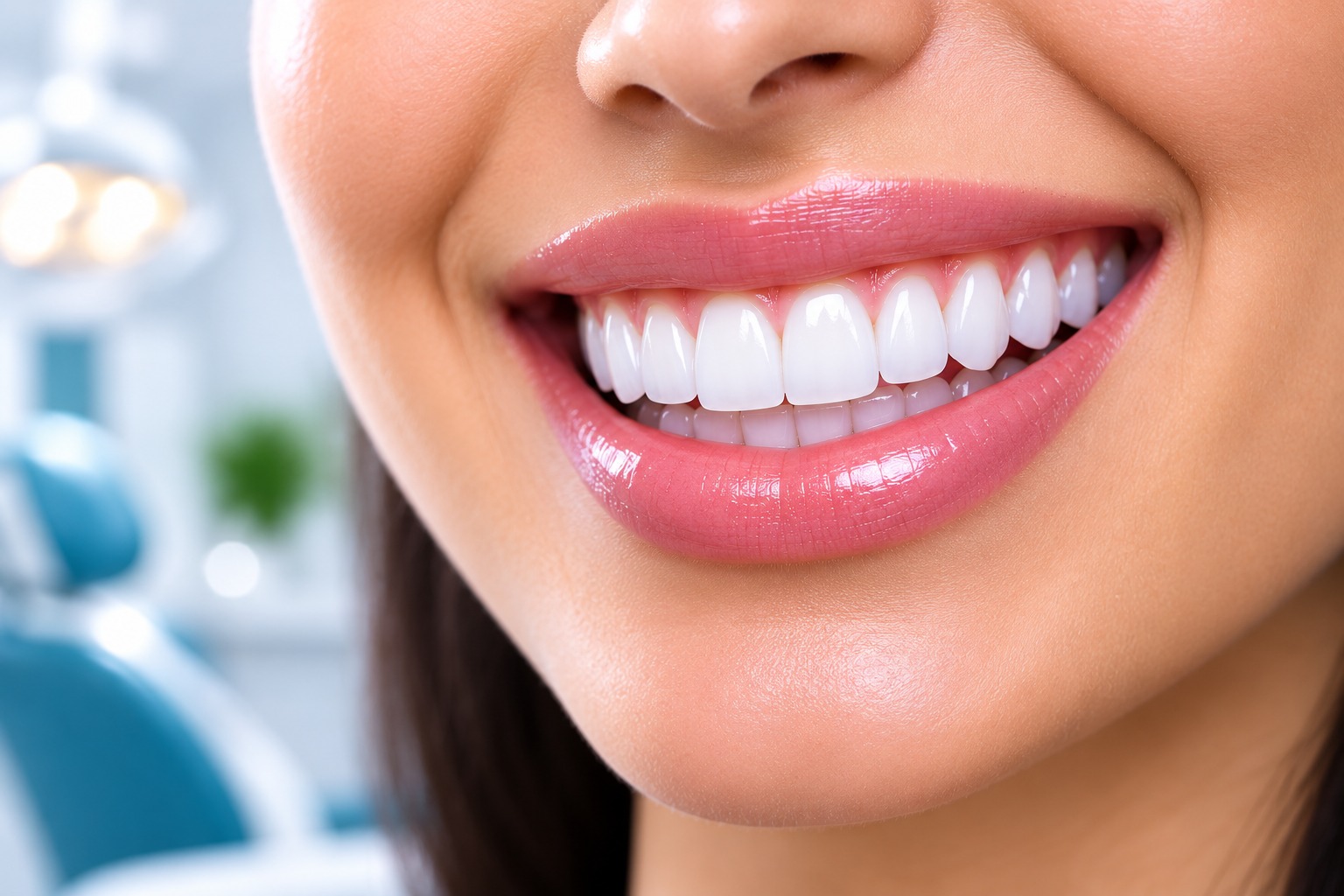
How Professional Teeth Whitening Works
Professional teeth whitening relies on controlled, dental-grade peroxide-based agents to lift discoloration. Tooth enamel and underlying dentin possess a microscopic crystalline structure that naturally accumulates staining compounds over time.
During the procedure, the active whitening gel breaks down and releases oxygen molecules that penetrate these microscopic porosities. Through a gentle oxidation process, these molecules dissolve and break apart the pigmented organic compounds (chromogens) responsible for discoloration, visibly lightening the overall tooth shade.
Important Clinical Distinction
Teeth whitening is focused exclusively on altering the shade of natural tooth enamel. It does not alter tooth shape, repair chips, close gaps, or reposition misaligned teeth. While it is one of the most conservative treatments in cosmetic dentistry, professional supervision is essential to ensure that the bleaching agents are applied safely without irritating your gums or exacerbating sensitivity.
Extrinsic vs. Intrinsic Tooth Discoloration
Understanding what causes tooth discoloration is the key to choosing the right treatment:
Extrinsic Stains
Outer Enamel SurfaceThese stains develop on the exterior layer of tooth enamel and are primarily caused by environmental factors and daily habits.
- Tea, coffee, red wine, and dark beverages
- Spices, berries, and heavily pigmented foods
- Tobacco use, paan, and cigarette smoking
- Surface plaque and calculus buildup
Response: Typically responds very well to professional dental cleanings and standard bleaching.
Intrinsic Discoloration
Internal Dentin LayerThese discolorations reside deeper inside the tooth structure beneath the enamel, often stemming from biological changes.
- Natural enamel thinning and dentin yellowing from age
- Previous dental trauma or internal nerve injury
- Medication exposure during tooth development (e.g. tetracycline)
- Excessive childhood fluoride exposure (fluorosis)
Response: Whitening may lighten some intrinsic tones, but deep structural stains often require dental veneers.
Professional Whitening Approaches
In professional dentistry, teeth whitening is commonly administered through two general delivery approaches, depending on clinical suitability and patient lifestyle:
In-Office Dental Whitening
Performed chairside by a dentist in a carefully controlled clinical setting. A protective barrier is placed over the gums before applying professional-strength whitening gel, allowing for monitored treatment in a single appointment.
Dentist-Supervised Take-Home Care
Where clinically recommended, whitening is conducted at home using dentist-prescribed gels and specific application trays. This approach allows for gradual, progressive shade enhancement under dental guidance.
The most appropriate option depends on your oral health, existing sensitivity, and clinical assessment during your consultation.
Who May Benefit from Teeth Whitening?
Professional whitening is an effective cosmetic option for suitable patients. Ideal candidates typically have:
Healthy Gums & Sound Enamel
Patients free from active gum inflammation or untreated tooth decay provide the ideal foundation for comfortable whitening.
Dietary or Age-Related Staining
Individuals with yellowing or extrinsic discoloration from tea, coffee, or natural aging achieve the most predictable results.
Cosmetic Pre-Treatment Planning
Patients planning a smile refresh before major life events or as part of a broader aesthetic plan.
Realistic Expectations
Understanding that whitening restores natural brightness rather than producing unnatural, artificial chalk-white shades.
Health and Safety Considerations Before Whitening
A thorough clinical examination is an essential prerequisite before applying any whitening agent. Certain dental conditions must be evaluated or treated beforehand to safeguard your comfort:
Active Cavities & Defective Fillings
If bleaching agents enter an untreated cavity or reach the inner tooth through a leaking filling, direct contact with the dental pulp can cause acute pain and sensitivity. Any decay must be restored before proceeding.
Gum Disease & Tissue Health
Gums affected by active inflammation or recession can be sensitive to whitening gels. A preliminary professional teeth cleaning removes irritating tartar and plaque while ensuring the gel contacts enamel surfaces evenly.
Existing Restorations Do Not Whiten
Dental restorations—including porcelain crowns, composite fillings, and veneers—do not respond to bleaching gels. If you have visible restorations on front teeth, whitening your natural enamel may cause a color mismatch. Your dentist will discuss whether restorations may need updating after whitening.
Understanding Tooth Sensitivity and Safety
Some patients experience mild, temporary tooth sensitivity or minor gingival tingling during or following whitening treatment. This occurs because the active peroxide temporarily increases the permeability of enamel prisms, allowing temperature changes to stimulate inner dental nerves more easily.
Under professional supervision, sensitivity is carefully managed. Your dentist can assess baseline enamel condition, apply protective desensitizing varnishes, or recommend potassium nitrate-based toothpastes before and after treatment. For most patients, sensitivity is mild, temporary, and diminishes as the enamel rehydrates.
What to Expect During Teeth Whitening Treatment
Professional whitening follows structured clinical stages to ensure safety, comfort, and predictable results:
Consultation & Shade Evaluation
Your dentist reviews your aesthetic goals, records your baseline tooth shade with a clinical shade guide, and determines whether whitening is suitable.
Oral Health Examination
Evaluating teeth and gums for cavities, enamel wear, exposed roots, or existing restorations that could affect whitening outcomes.
Preparation & Protection
For in-office procedures, lips, cheeks, and delicate gum tissues are isolated with specialized protective barriers to prevent gel contact.
Whitening Gel Application
The professional whitening formulation is carefully applied to the visible enamel surface for controlled, monitored intervals.
Post-Treatment Review & Guidance
The gel is rinsed, new shade improvements are evaluated, and personalized aftercare advice is provided to maintain your results.
Aftercare and Maintaining Whitening Results
Teeth whitening is not permanent, but healthy daily habits can prolong your brighter smile for months or years:
Mindful Dietary Habits
In the first few days after whitening, limiting heavily staining substances like tea, coffee, dark sodas, and turmeric helps protect newly lightened enamel. Rinsing with water after meals is also beneficial.
Diligent Oral Hygiene
Brushing twice daily with a non-abrasive fluoride toothpaste and daily flossing prevents plaque buildup from trapping new surface stains.
Avoid Tobacco Products
Smoking and chewing tobacco are among the fastest causes of stubborn extrinsic yellow and brown stains. Avoiding tobacco preserves your smile's brightness.
Regular Professional Cleanings
Routine checkups and cleanings through general dentistry help polish away superficial stains before they penetrate enamel.
When Whitening May Not Be Enough
If your aesthetic concerns extend beyond tooth shade, alternative cosmetic procedures may be more suitable:
Dental Veneers
Intrinsic Stains & ReshapingIdeal when deep internal discoloration (such as fluorosis or tetracycline) resists bleaching, or when chips and gaps also need correction.
Smile Designing
Aesthetic Assessment & PlanningRecommended when multiple aesthetic concerns—such as tooth proportions, symmetry, and gumline harmony—need to be planned cohesively.
Hollywood Smile
Complete Smile MakeoverA coordinated makeover combining whitening, restorations, and alignment across the visible smile line for a dramatic, harmonious outcome.
Why Choose Complete Dental Clinic for Teeth Whitening?
Safe whitening requires clinical expertise, gentle care, and respect for natural enamel health:
Supervised Clinical Safety
Whitening treatments are planned and overseen by dental professionals, safeguarding your gums and protecting enamel integrity.
Thorough Pre-Treatment Assessment
We evaluate your enamel thickness, stain etiology, and baseline sensitivity before recommending a whitening approach.
Sensitivity-Conscious Protocols
We tailor application times and provide desensitizing care so your whitening experience remains comfortable throughout.
Accessible Pathirippala Location
Centrally located at Maimoon Square with parking and easy access for patients visiting from Pathirippala and surrounding Palakkad areas.
Teeth Whitening Consultations in Pathirippala, Palakkad
Complete Dental Clinic provides professional teeth whitening consultations and cosmetic dental assessments for patients residing in Pathirippala, Palakkad, and neighbouring localities including Ottapalam, Mankara, and Parali. If you are interested in brightening your smile or lifting persistent stains, an initial consultation allows our dental team to recommend a safe, customized treatment plan.
Our clinic is located at 1st Floor, Maimoon Square, opposite South Indian Bank, Pathirippala, Kerala 678642. We welcome you to contact our clinic to schedule an appointment and discuss your teeth whitening options.
Frequently Asked Questions About Teeth Whitening
Common questions regarding professional whitening, stain types, sensitivity, and maintenance:
How does professional teeth whitening work?
Professional teeth whitening uses dental-grade, peroxide-based agents that release oxygen into the micro-porous structure of enamel and dentin. Through an oxidation process, these agents break down pigmented organic molecules (chromogens) that cause discoloration, visibly brightening the natural tooth shade.
What causes extrinsic and intrinsic tooth stains?
Extrinsic stains develop on the surface of tooth enamel from external substances like tea, coffee, dark foods, and smoking. Intrinsic stains reside deeper inside the tooth dentin, resulting from natural aging, tooth trauma, certain developmental medications (such as tetracycline), or excess childhood fluoride.
Is professional teeth whitening suitable for everyone?
While whitening is suitable for most healthy adults, it is not recommended for individuals with active cavities, untreated gum disease, severe exposed roots, or during pregnancy. A dental assessment confirms whether whitening is appropriate for your oral condition.
Can teeth whitening cause sensitivity?
Some patients experience mild, temporary sensitivity to temperature changes during or after treatment as enamel pores rehydrate. Your dentist can assess sensitivity risks beforehand and recommend desensitizing agents or toothpastes to ensure your comfort.
Do crowns, veneers and fillings whiten?
No. Bleaching agents only lighten natural tooth enamel. Dental restorations—including crowns, composite fillings, and veneers—do not change shade. Patients with existing restorations may discuss updating them after whitening if a shade difference occurs.
How long do teeth whitening results last?
The longevity of whitening results depends on dietary habits, oral hygiene, and lifestyle factors. While results typically last from several months up to a couple of years, limiting staining beverages and maintaining regular dental cleanings helps preserve your brighter shade.
How can I maintain my teeth whitening results?
Maintain results by brushing twice daily with fluoride toothpaste, flossing daily, rinsing with water after drinking tea or coffee, avoiding tobacco products, and attending routine professional dental cleanings.
Is professional whitening different from over-the-counter products?
Professional whitening is carried out under the supervision of a dentist who first ensures your teeth and gums are healthy. In-office or prescribed treatments use regulated formulations and protective barriers designed to deliver controlled, personalized results while protecting your gum tissues.
Ready for a Brighter Smile?
Schedule a teeth whitening consultation at Complete Dental Clinic in Pathirippala to discuss your tooth shade goals and explore suitable cosmetic options.